
Parenting is one of life’s most rewarding journeys, yet it often comes with questions that have no single right answer. Every child is different, every family has unique values, and every stage of childhood brings new opportunities and challenges. That’s why trusted parenting guidance has become more valuable than ever. Many parents seek practical advice that balances emotional support, discipline, communication, and child development without adding unnecessary pressure.
The concept behind fpmomtips parental advice from famousparenting focuses on helping parents build healthier relationships with their children through realistic, compassionate, and evidence-based strategies. Rather than aiming for perfection, it encourages consistent growth, positive habits, and meaningful family connections. Whether you’re raising a toddler, supporting a school-age child, or guiding a teenager toward independence, the right parenting approach can make everyday moments more rewarding for everyone involved.
Why Modern Parenting Requires a Balanced Approach
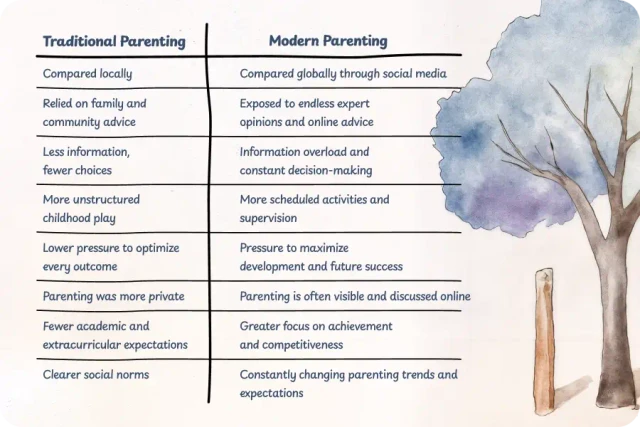
Today’s parents navigate a world that looks very different from previous generations. Digital technology, busy schedules, academic expectations, and social pressures influence children’s lives from an early age. While these changes present new opportunities, they also create fresh parenting challenges.
A balanced parenting style combines structure with warmth. Children thrive when they understand expectations while feeling emotionally secure enough to express themselves openly. Consistent routines, respectful communication, and positive reinforcement create an environment where confidence naturally develops.
Parents who focus on connection instead of control often discover that cooperation improves over time. Listening carefully, validating emotions, and offering guidance instead of immediate criticism encourages children to solve problems while trusting their parents for support.
The Core Principles Behind Healthy Parenting
Strong parenting isn’t about following rigid rules. It’s about creating habits that support children’s emotional, social, and intellectual growth over the long term.
Some of the most effective parenting principles include:
- Establish consistent daily routines.
- Encourage open conversations without judgment.
- Set clear boundaries with kindness.
- Celebrate effort as much as achievement.
- Model the behaviors you expect from your children.
- Teach responsibility through age-appropriate tasks.
- Make quality family time a regular priority.
These principles form the foundation of fpmomtips parental advice from famousparenting, helping families develop trust while encouraging children to become independent and emotionally resilient.
Understanding Children’s Emotional Needs
Children communicate emotions differently depending on their age. Young children may express frustration through tantrums, while older children might become withdrawn or unusually quiet. Understanding these signals allows parents to respond with empathy instead of reacting impulsively.
Instead of asking only, “What happened?” parents can also ask:
- How are you feeling?
- What do you think caused this?
- What can we do together to solve it?
These simple questions teach emotional awareness while showing children that their feelings matter.
Creating a safe emotional environment also means allowing children to experience disappointment without immediately fixing every problem. Learning how to manage setbacks helps build resilience that benefits them throughout adulthood.
Practical Parenting Strategies for Everyday Success
Daily parenting decisions often shape children more than occasional big moments. Small habits repeated consistently have lasting effects.
| Parenting Goal | Practical Strategy | Expected Benefit |
|---|---|---|
| Better communication | Schedule daily one-on-one conversations | Builds trust |
| Stronger discipline | Use natural consequences instead of harsh punishment | Encourages responsibility |
| Increased confidence | Praise effort rather than talent | Develops a growth mindset |
| Better routines | Maintain consistent bedtimes and mealtimes | Creates security |
| Emotional regulation | Teach children to identify emotions | Improves self-control |
These practical techniques are simple enough for busy families while remaining highly effective over time.
Building Confidence Without Creating Pressure
Every parent wants confident children, but confidence grows through experience rather than constant praise. Children become self-assured when they overcome challenges, solve problems, and recognize their own progress.
Instead of focusing exclusively on grades, awards, or performance, celebrate qualities such as persistence, creativity, kindness, and responsibility.
For example:
A child struggles with a difficult math assignment but continues working until understanding the concept. Instead of saying, “You’re so smart,” try saying, “I’m proud of how hard you worked to figure that out.”
This subtle difference reinforces effort, resilience, and problem-solving rather than creating pressure to always appear naturally gifted.
The philosophy reflected in fpmomtips parental advice from famousparenting emphasizes building internal confidence that lasts well beyond childhood achievements.
Creating Positive Family Communication

Healthy communication doesn’t happen automatically. It develops through intentional daily habits that make every family member feel heard.
Parents can improve communication by:
- Giving children full attention during conversations.
- Avoiding interruptions.
- Asking open-ended questions.
- Remaining calm during disagreements.
- Admitting mistakes when appropriate.
Children learn communication skills primarily by observing adults. When parents respectfully handle conflict, apologize sincerely, and express emotions appropriately, children naturally imitate those behaviors.
Even ten uninterrupted minutes together each day can strengthen family relationships more than occasional elaborate activities.
Teaching Responsibility Through Everyday Experiences
Responsibility develops gradually rather than overnight. Giving children age-appropriate responsibilities teaches independence while building confidence.
Young children might help put away toys or feed a pet. Older children can prepare simple meals, organize school materials, or manage portions of their weekly schedule.
Parents sometimes hesitate to assign responsibilities because it seems faster to complete tasks themselves. However, allowing children to participate builds life skills that become increasingly valuable as they grow.
The goal isn’t perfect performance. Instead, it’s steady progress, learning through experience, and developing accountability in a supportive environment.
Managing Screen Time Without Daily Battles
Technology has become part of everyday life, making balanced screen use more important than complete restriction. Instead of viewing devices as the enemy, parents can establish healthy digital habits.
Helpful strategies include:
- Create technology-free family meals.
- Set consistent daily screen limits.
- Encourage outdoor play every day.
- Keep devices out of bedrooms overnight.
- Discuss online safety regularly.
- Model healthy technology habits yourself.
Children respond more positively when expectations remain consistent rather than changing based on frustration or convenience.
The guidance promoted through fpmomtips parental advice from famousparenting supports balance rather than extremes, helping families enjoy technology without allowing it to replace meaningful relationships.
Encouraging Independence While Staying Supportive
One of parenting’s biggest goals is preparing children to thrive independently. This process begins much earlier than many parents realize.
Allow children to make age-appropriate decisions, such as selecting clothing, organizing homework schedules, or choosing extracurricular activities within reasonable limits.
Decision-making teaches:
- Critical thinking
- Personal responsibility
- Confidence
- Problem-solving
- Accountability
Mistakes become valuable learning opportunities when parents offer guidance instead of immediate criticism.
Supporting independence doesn’t mean withdrawing support. Instead, parents gradually shift from solving every problem to coaching children as they develop their own solutions.
Handling Discipline with Consistency and Respect
Effective discipline teaches rather than intimidates. Children benefit from understanding why behaviors matter instead of simply fearing punishment.
Positive discipline focuses on:
- Clear expectations
- Logical consequences
- Calm discussions
- Consistent follow-through
- Opportunities to correct mistakes
For instance, if a child forgets homework, the natural consequence might involve explaining the situation to the teacher rather than having a parent immediately solve the problem.
This approach encourages responsibility while preserving trust between parent and child.
Consistent, respectful discipline remains one of the defining principles within fpmomtips parental advice from famousparenting, emphasizing long-term character development instead of short-term obedience.
Supporting Your Child Through Different Stages of Growth
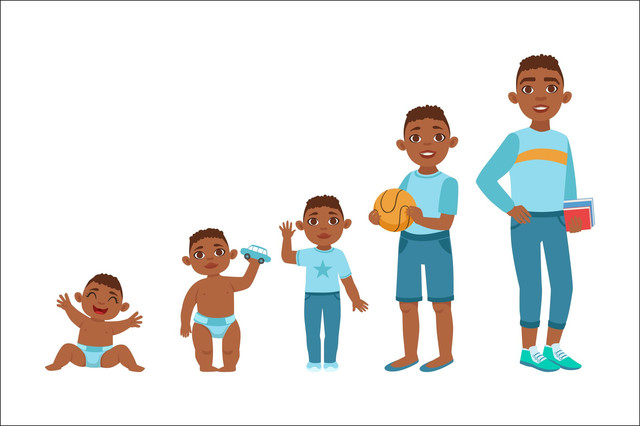
Children’s developmental needs change significantly as they mature. Parenting strategies should evolve accordingly rather than remaining fixed.
Toddlers benefit from predictable routines and simple choices.
School-age children thrive with encouragement, responsibility, and opportunities to develop friendships.
Teenagers require increasing independence alongside continued emotional support, guidance, and respectful communication.
Parents who adapt their approach while maintaining consistent family values often experience smoother transitions throughout childhood.
Flexibility demonstrates understanding without sacrificing healthy boundaries.
The Importance of Caring for Yourself as a Parent
Parents often place their own well-being at the bottom of the priority list. However, children benefit when caregivers are emotionally and physically healthy.
Self-care doesn’t require expensive vacations or hours of free time. Small daily habits can make a meaningful difference.
Consider:
- Getting enough sleep whenever possible.
- Maintaining supportive friendships.
- Exercising regularly.
- Taking short breaks during stressful days.
- Asking for help when needed.
Children observe how parents manage stress. Demonstrating healthy coping strategies teaches resilience more effectively than any lecture ever could.
Strong parenting begins with recognizing that caring for yourself enables you to care for others more effectively.
Helping Families Grow Together Every Day
Parenting is less about achieving perfection and more about creating meaningful relationships that grow stronger over time. Every conversation, shared meal, bedtime story, and challenging moment contributes to a child’s emotional foundation.
The philosophy behind fpmomtips parental advice from famousparenting reminds parents that consistent kindness, thoughtful guidance, and realistic expectations often have a greater impact than dramatic parenting techniques. Small improvements practiced every day lead to lasting changes in children’s confidence, emotional well-being, and independence.
No parent has every answer, and no family follows an identical path. What matters most is remaining present, continuing to learn, and approaching each stage of childhood with patience and compassion. By focusing on communication, responsibility, emotional connection, and balanced guidance, parents can raise children who feel secure, capable, and prepared for the future while strengthening the family bond that lasts a lifetime.